English
 Deutsch
 español
 العربية
 中文

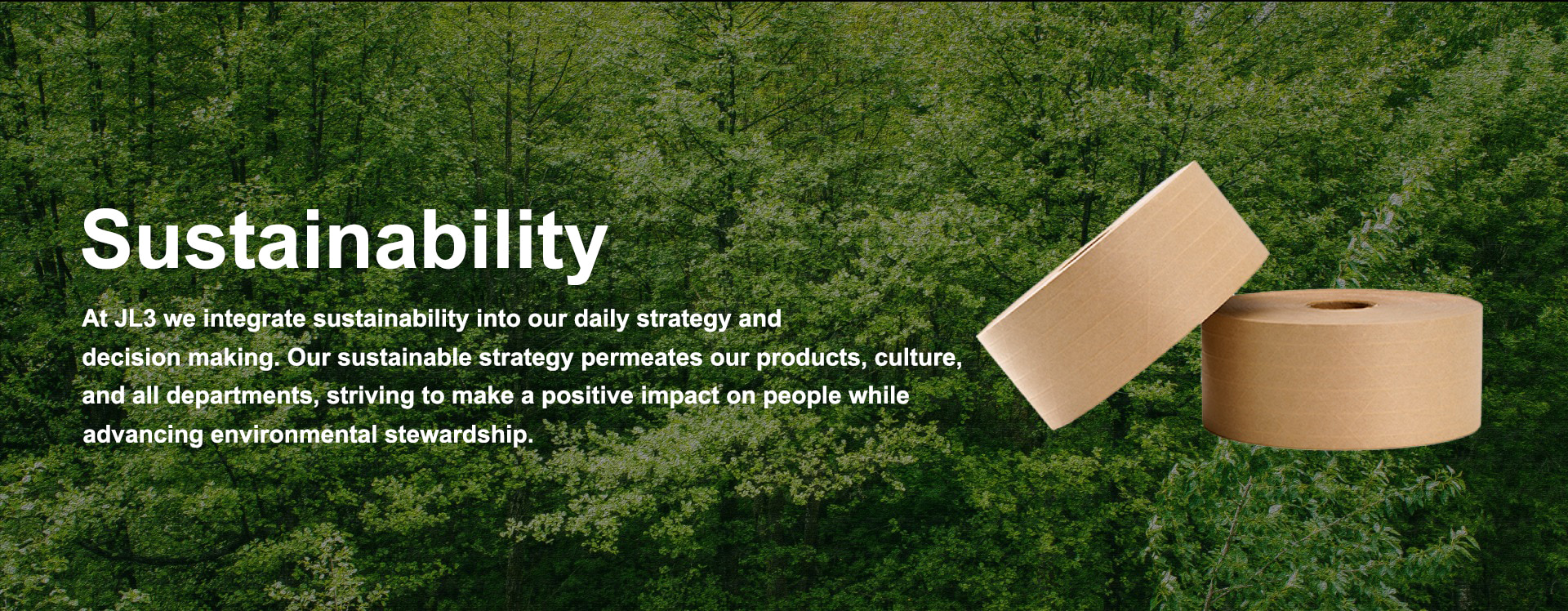
Take a recycled carton, seal it, and pull the tape back an hour later. Sometimes it tears fibres with it. Sometimes it comes away clean, as if it was never really stuck. Same tape, same bench, different board batch — and that is the whole problem in one pull.
Short version: clean the seam, test the bond on two batches, choose the grade by weight at the low end of its tolerance, H-seal the heavy cartons — and only use water-activated tape where the bench actually has water and a dispenser.
Recycled board is not just virgin board with a greener label. The fibres are shorter. The surface carries more dust. One batch can seal beautifully and the next can fight you, because the layer the adhesive has to grip is thinner and weaker. So a tape grade that passed on clean board is not automatically right for recycled board. It has to be proved on the board you are actually shipping.
That proof is simple, and it is worth doing before a whole lot goes out. Seal a sample carton from real stock. Open it from the other end. Did it tear fibres, or peel clean, or lift a layer of board? Then do it again on a second batch, and again after the carton has sat for a few days. A bond that looks fine in the first hour can give up once moisture and stacking have had a go at a weak surface.
If the sample peels clean, do not just buy stronger tape. Check the surface first. Brush or wipe dust off the seam. Do not seal a damp carton and hope for the best — dry the seam, or re-box. That one step, boring as it sounds, is often what turns a clean peel into a fibre tear. And it costs nothing.
Then, and only then, pick the tape. Kraft tape makes sense here because it recycles with the carton, which is the point of using recycled board in the first place. A plastic film tape on a paper carton creates a separation problem at recycling; kraft on kraft does not. But “kraft” is not one decision, it is two.
Water-activated kraft tape bonds into the fibres once its adhesive is wetted, and on a sound board surface that bond is hard to fake — opening the carton tears fibres, which is exactly what you want for tamper evidence. It also keeps for about two years on the roll. The catch is blunt: it needs water and a dispenser at the packing site. No water station, no water-activated tape. It does not matter how sustainable it looks on paper if the bench cannot run it.
Where there is no reliable water station — a supplier site, a field pack, a third-party bench you do not control — self-adhesive kraft tape is the honest default. Hot-melt, pressure-sensitive, sticks on contact, typically rated about -5°C to 60°C (23°F to 140°F), and about one year of roll shelf life. Its advantage on recycled board is not strength, it is visibility: if it peels clean on a sample, you see the failure at packing, not at the customer's dock.
The rule in one line: no water station at the packing point means self-adhesive kraft tape — water-activated tape is only an option where water and a dispenser are actually in place.
Weight still decides the grade, and recycled backing makes that decision less forgiving. Recycled-backing grades carry a wider tensile tolerance than virgin-backing grades — roughly ±18 lbs/in on the R series — so buy on the lower end of the range, not the headline number, and prove it on a sample.
| Carton weight | Water-activated kraft grade |
|---|---|
| Up to 10 lb | JLN-370 / JLN-382 |
| 10–35 lb | JLN-3140 / JLN-3150 |
| 35–55 lb | JLN-3160 / JLN-3750 |
| 55–90 lb | JLN-3780 |
| Over 90 lb | JLN-37120 / JLN-37120R (reinforced) |
Heavy recycled cartons should not be left to the surface seal alone either. Filament strapping around the carton carries the load; the seal just has to stay closed.
Seal pattern is the other half, and on recycled board it matters more than on virgin board. H-seal the heavy and export cartons: centre seam, plus a strip across each end, tape at least two inches onto each side panel, pressed from the centre outward. The flap ends are where a weak surface gives way first. Protect them, or the centre seal will not save you.
There is a temptation to treat all this as a trade — sustainability on one side, a seal that holds on the other. It is not. A carton that splits in transit wastes more, in re-shipping and damage, than a weaker tape ever saved. The sustainable seal is the one that holds and still recycles with the carton: plastic-free kraft, a whole package that can be recycled together, and for Europe, packaging that supports compliance with the EU Packaging and Packaging Waste Regulation, with PFAS not detected in JL3 testing and FSC-certified options where required.
So: clean the seam, test two batches, choose by weight at the lower end of the tolerance, H-seal the heavy ones, and strap the load instead of asking the surface to carry it. If you want help matching a kraft, water-activated or filament grade to your recycled board, carton weight and packing site, or to talk through PPWR and recyclability for your export markets, contact us through the inquiry form.
Note: Tape values quoted in this article are laboratory averages. Actual performance depends on board grade, recycled content, storage conditions, and application, and should be validated on your own cartons and lines before full adoption.



 IPv6-Netzwerk wird unterstützt