English
 Deutsch
 español
 العربية
 中文
中文
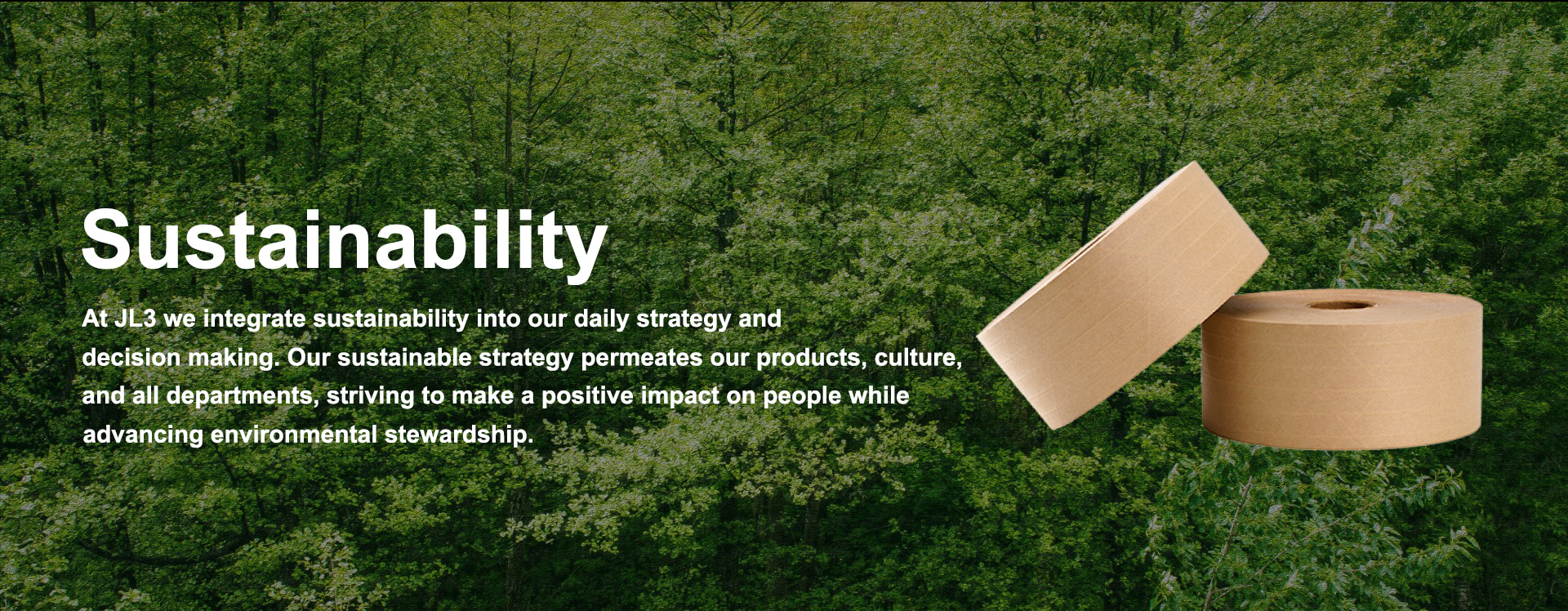
Sustainability regulations are tightening, customers are demanding plastic-free packaging, and shipping damage claims keep climbing. For packaging managers and distributors, the choice of carton sealing tape is no longer a commodity decision — it affects brand image, compliance, and total logistics cost.
Water-activated tape (WAT), also known as gummed paper tape, has become the go-to solution for companies that want a strong, tamper-evident, and eco-friendly seal. But with reinforced, biodegradable, recycled, and non-reinforced options on the market, choosing the wrong type is easy.
This guide walks you through the key decision factors — so you can match the right tape to your application the first time.
Water-activated tape consists of a kraft paper backing coated with a starch-based adhesive. When moistened, the adhesive penetrates the carton surface and bonds permanently — unlike pressure-sensitive tapes that simply sit on top.
The result:
Reinforcement is the single most important specification. It determines load capacity, puncture resistance, and whether the tape stays fully biodegradable.
Criss-cross fiberglass strands give the tape exceptional tensile strength. Best for:
Typical configurations include bidirectional (cross-pattern) reinforcement for multi-directional strength, and single-direction patterns for bundling applications.
For markets with strict plastic legislation, plant-based (vegetable) yarn reinforcement delivers strong performance while keeping the tape 100% biodegradable and plastic-free. This is the fastest-growing segment in Europe and other regulation-driven markets.
Plain kraft paper with starch adhesive. Ideal for:
| Tape Type | Load Capacity | Biodegradable | Best For |
|---|---|---|---|
| Fiberglass reinforced | Heavy duty | Paper recyclable | Export, heavy goods, tamper evidence |
| Plant-yarn reinforced | Medium–heavy | 100% biodegradable | Plastic-free markets, brand owners |
| Recycled-paper reinforced | Heavy duty | Paper recyclable | Circular economy programs |
| Non-reinforced | Light–medium | 100% biodegradable | E-commerce, light parcels |
Kraft paper backing is measured in g/m² (grammage). Common face/back combinations range from 40 g/m² per side for standard duty up to heavier constructions for industrial use, with total thickness typically around 0.14–0.18 mm.
Rules of thumb:
Ask your supplier for tensile strength data — a reputable manufacturer will provide it.
Three distinct eco stories exist, and your market may demand a specific one:
Verify certifications (RoHS compliance, plastic-free certification, FSC) rather than relying on marketing claims alone.
WAT requires moistening, which changes the dispensing equation:
Before committing to a tape volume order, confirm core inner diameter (38–76 mm), maximum roll diameter, and tape width compatibility with your equipment. A full-line supplier should offer dispenser and sealer options matched to the tape.
Water-activated tape accepts water-based ink printing beautifully — up to multiple colors on modern press lines. Custom printing turns every carton into a brand touchpoint and adds a layer of tamper evidence.
Check whether your supplier offers:
For distributors and brand owners, supplier capability matters as much as tape specs:
For carton sealing, yes — WAT bonds permanently with the box fiber, while plastic tape only adheres to the surface. Reinforced WAT also handles heavier loads and rougher handling.
Yes. Paper-based WAT can stay on the box and enter the paper recycling stream; biodegradable versions also compost under appropriate conditions.
Yes. Starch adhesive bonds to the carton fiber itself, so it performs reliably in cold and dusty conditions where pressure-sensitive tapes often fail.
48 mm (approx. 2") is the standard carton sealing width. Wider tapes are used for heavy loads and reinforcement applications.
JL3 manufactures the full range of water-activated kraft tapes — fiberglass reinforced, plant-yarn biodegradable, recycled-paper, and non-reinforced — along with dispensers and automated case sealing equipment. With 20+ years of manufacturing experience and products sold in 50+ countries, we help distributors and brand owners seal smarter and greener.



 IPv6-Netzwerk wird unterstützt